
Reptile Survey Guidelines: What You Need to Know
Reptile survey guidelines are an important consideration for developers, landowners, and planners working on sites where reptiles may be present. Native reptiles are protected under UK legislation, meaning that development works must carefully consider the potential presence of reptiles and their habitats.
Understanding how reptile surveys are carried out, and when they are required, can help avoid delays, ensure compliance, and keep projects progressing smoothly. While guidance exists, surveys themselves should always be undertaken by qualified ecologists using appropriate survey methods.
Why Reptile Surveys Are Important
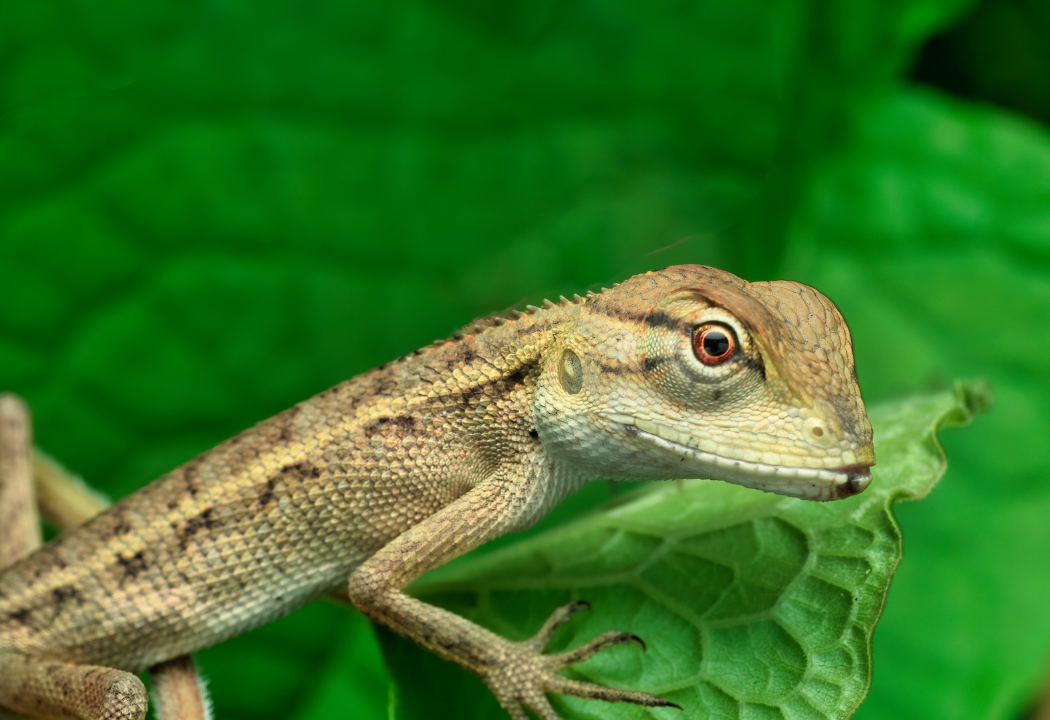
Reptiles species in the UK include slow worms, grass snakes, adders, common lizards, as well as the more protected smooth snakes and sand lizards. These species are protected under the Wildlife and Countryside Act 1981, making it an offence to intentionally kill or injure them.
Some species also receive additional protection under the Conservation of Habitats and Species Regulations, reflecting their conservation status.
For development projects, this means that any works affecting reptile habitat must be carefully assessed. Reptile surveys help determine the presence of reptiles, the type of habitat available, and the potential impact of development proposals.
Where Reptiles Are Commonly Found
Reptiles are often associated with a wide range of habitats, many of which are frequently encountered on development sites. These can include:
- Brownfield sites with unmanaged vegetation
- Grassland, scrub, and field margins
- Heathland and sand dunes
- Railway embankments and road verges
These environments can provide suitable shelter, basking areas, and food sources that support reptiles over the long term. Even sites that appear low value at first glance can support reptile populations, particularly where there is a mix of vegetation structure.
When Are Reptile Surveys Required?
Reptile surveys are typically required where suitable habitat is present and there is a reasonable likelihood of reptiles being affected by development. This is often identified during an initial ecological appraisal.
Surveys are usually carried out during the active season, which generally runs from April to September, with peak survey conditions in spring and early autumn. Weather conditions play an important role, as reptiles are more active in mild, dry conditions.
As with other ecological surveys, timing is critical. Missing the optimal survey window can result in delays, particularly where planning applications rely on up-to-date ecological data.
Key Reptile Survey Guidelines
Reptile survey guidelines are based on established survey methodology designed to detect reptiles and assess population presence. Surveys are typically carried out over multiple visits to ensure reliable results.
A common approach involves the use of artificial refugia, such as roofing felt or tin sheets, which are placed across the site to attract reptiles seeking shelter and warmth.
Survey methods generally include:
- Placement of artificial refugia in suitable reptile habitat
- Regular checks of refugia over a number of visits
- Visual searches for basking or moving reptiles
- Recording of species, numbers, and distribution across the site
The number of surveys required will depend on the size of the site and the quality of the habitat. Multiple visits are essential to build an accurate understanding of reptile presence and activity.
Understanding Survey Results
The results of a reptile survey provide important information about whether reptiles are present and, if so, the size and distribution of populations. This information is used to inform ecological impact assessments and support planning applications.
Where reptiles are identified, mitigation measures may be required. These can include habitat retention, phased vegetation clearance, or the translocation of reptiles to a suitable receptor site.
The aim is to ensure that development does not result in harm to protected species and that habitats continue to support reptiles in the long term.
Legal and Planning Considerations
Reptiles are protected species, and it is an offence to kill or injure them during development works. This places a responsibility on developers and landowners to ensure that appropriate steps are taken to avoid harm.
Local planning authorities will expect sufficient ecological information to assess potential impacts on habitats and species. If reptile presence is likely, surveys will typically be required to support a planning application.
Failure to identify reptiles early can result in delays, enforcement action, or the need for costly mitigation measures later in the project.
Practical Considerations for Developers and Landowners
From a project perspective, reptile surveys are most effective when considered early in the planning process. This allows sufficient time for surveys to be carried out during the appropriate season and for results to inform project design.
Sites with suitable habitat, particularly brownfield sites, should be assessed as early as possible to determine whether reptiles are likely to be present. Early identification allows for a more flexible approach to mitigation and reduces the risk of unexpected constraints.
It is also important to recognise that reptile surveys require multiple visits, meaning they cannot be completed instantly. Engaging an ecologist early ensures that survey work is properly scheduled and that projects remain on track.
FAQ: Reptile Survey Guidelines
Who carries out reptile surveys?
Reptile surveys should be undertaken by qualified ecologists with experience in identifying native reptiles and applying appropriate survey methods.
How long does a reptile survey take?
Surveys typically require multiple site visits over several weeks, depending on habitat quality and site size. This allows for accurate assessment of reptile presence.
What if reptiles are found on site?
If reptiles are present, mitigation measures will be required to avoid harm. This may include phased clearance or relocation to a suitable habitat.
Are reptile surveys always required for brownfield sites?
Not always, but brownfield sites often provide suitable habitat, so surveys are commonly recommended following an initial ecological assessment.
Can development still go ahead if reptiles are present?
Yes, but it must be carefully managed. With the right mitigation strategy in place, development can proceed while ensuring reptiles are protected.
How can Collington Winter Assist?
Collington Winter Environmental supports developers, landowners, and planners across the UK with reptile surveys, ecological assessments, and planning advice. Our team can assess your site, design appropriate survey strategies, and ensure that all work is carried out in line with current guidance and legislation.
We understand that reptile surveys can feel complex, particularly where multiple visits and mitigation measures are required. By managing the process on your behalf, we help reduce uncertainty, avoid delays, and ensure your project progresses smoothly while protecting native species.
Contact Us:
For advice on reptile survey guidelines or support with your project, call 01204 939608 or email info@collingtonwinter.co.ukto speak with our team.
Contact Us
Registered Address
23 Bark Street East, 1st Floor, Bolton, BL1 2BQ
Cambridge Office
Future Business Centre, Cambridge Campus, Kings Hedges Road, Cambridge, CB4 2HY
Leicester Office
Rutland House, 23-25 Friar Lane, Leicester, LE1 5QQ
Bristol Office
Newminster House, 27-29 Baldwin Street, Bristol, BS1 1LT
Telephone
Head Office: 01204 939 608
Dumfries Office: 01387 378208