Are Planning Authorities Legally Obliged to Request Bat Surveys?
For developers, landowners, and planners, understanding whether planning authorities are legally obliged to request bat surveys is a key part of the UK planning process. Bats are a European protected species, and their presence on or near development sites is a material consideration for planning applications. However, there is often confusion over the statutory requirements and the role of local authorities.
Knowing the legal context and best practice can help you plan projects efficiently, avoid delays, and ensure compliance with environmental legislation.
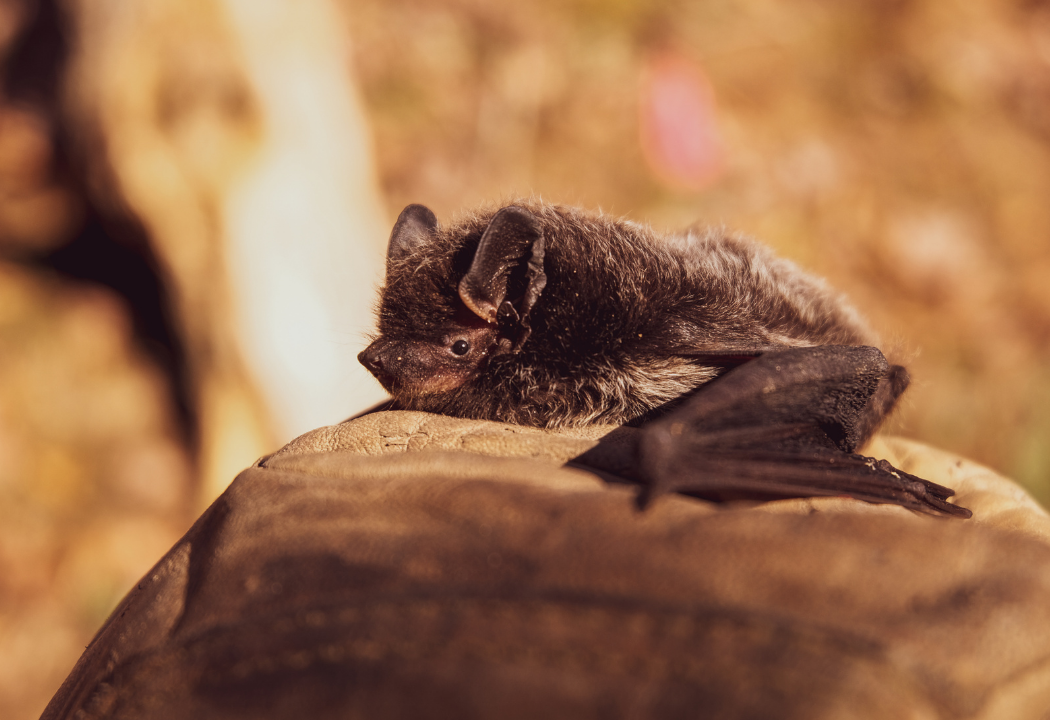
The Legal Framework for Bat Protection in the UK
Bats are protected under multiple pieces of legislation, including the Wildlife and Countryside Act 1981 and the Conservation of Habitats and Species Regulations 2017. This protection makes it illegal to:
- Deliberately capture, injure, or kill bats
- Damage or destroy bat roosts
- Obstruct access to roost sites
While these laws place clear duties on developers and landowners to obtain provisions such as a bat mitigation licence, they do not automatically compel local planning authorities to request bat surveys for every planning application. Instead, authorities rely on guidance, ecological assessments, and the professional judgement of qualified ecologists.
Planning Guidance and Best Practice
Local planning authorities consider potential impacts on bats as part of their statutory duty to protect European protected species. They usually follow guidance from Natural England, the National Planning Policy Framework (NPPF), and local biodiversity action plans.
Authorities may require a bat survey or a basic preliminary roost assessment (PRA) when there is a reasonable likelihood of bats being present. This decision is generally risk-based and considers proximity to known roost sites or high-value habitats, the presence of trees, old buildings, or structures suitable for roosting, and any previous survey data or ecological reports submitted with the application.
Importantly, while requesting bat surveys is good practice and often essential to secure planning permission, it is not a legal obligation in every case.
Who Is Responsible for Ensuring Compliance?
The legal responsibility for protecting bats primarily lies with the developer or landowner. Even if a planning authority does not specifically request a bat survey, the developer must ensure that their activities do not contravene wildlife legislation. This may include commissioning surveys proactively to identify roost sites, assess bat activity, and demonstrate that European protected species are not adversely impacted.
Failing to do so can lead to enforcement action, delays, or refusal of planning permission.
Practical Steps for Developers and Planners
To reduce risk and streamline planning applications, developers should commission ecological surveys early, particularly if buildings or trees may support bats. Surveys should be conducted in accordance with best practice guidance and during the appropriate season (usually May to September).
Providing clear survey data to the planning authority helps support the planning application and demonstrates compliance with legislation. Reviewing survey validity if there is a delay between survey completion and submission is also important. Proactive engagement with ecological consultants and local authorities can prevent costly delays and ensure compliance with both legislation and planning guidance.
FAQ: Planning Authorities and Bat Surveys
Are planning authorities legally required to request bat surveys?
No, there is no absolute legal obligation. Authorities usually request surveys based on risk assessments and ecological guidance, but the responsibility to comply with wildlife protection laws primarily rests with the developer.
When will a planning authority ask for a bat survey?
They typically require one if a site contains or is near potential bat roosts, old buildings, or high-value habitats. The request is usually made during the pre-application stage or as part of the planning application review.
What happens if a bat survey is not requested?
Even if the authority does not request a survey, the developer must still comply with the Wildlife and Countryside Act and Conservation of Habitats and Species Regulations 2017. Carrying out surveys and putting proactive mitigation plans into place can prevent legal and planning issues.
Who can advise on whether a bat survey is needed?
Ecological consultants can assess the site for bat activity, potential roosts, and habitat sensitivity, helping determine whether a survey is necessary before submission to the planning authority.
Can failing to carry out a bat survey affect planning permission?
Yes. If bats are later found during a development or renovation project, it can lead to delays, enforcement action, or even legal penalties under wildlife protection law. Early surveys help avoid these issues and ensure the right mitigation and compensation should bats be present.
Contact Collington Winter Today
Collington Winter Environmental works with developers, landowners, and planners across the UK to deliver ecological surveys, bat assessments, and planning support. Our team helps identify potential roost sites, assess bat activity, and provide the clear survey data that local planning authorities expect. By addressing these considerations early, you can reduce risk, avoid delays, and ensure your project aligns with current legislation and best practice guidance.
We understand that each site is unique. Changes to buildings, habitats, or project timelines can affect the validity of existing surveys. Eqipped with a European protected species licence, our consultants provide tailored advice on whether surveys remain valid or if updated surveys are required, giving you confidence and peace of mind throughout the planning process.
By taking a proactive approach, you can safeguard your planning application and protect European protected species while keeping your project on schedule.
Contact Us:
For guidance on whether a bat surveys for planning are needed or to ensure your project complies with UK law, call 01204 939608 or email info@collingtonwinter.co.uk to speak directly with our team.
Contact Us
Registered Address
23 Bark Street East, 1st Floor, Bolton, BL1 2BQ
Cambridge Office
Future Business Centre, Cambridge Campus, Kings Hedges Road, Cambridge, CB4 2HY
Leicester Office
Rutland House, 23-25 Friar Lane, Leicester, LE1 5QQ
Bristol Office
Newminster House, 27-29 Baldwin Street, Bristol, BS1 1LT
Telephone
Head Office: 01204 939 608
Dumfries Office: 01387 378208